Plate room · A2 cream
A plate is a question with its limit written on it
Chart plates are the objects the studio actually hands over. A brief may add a reading. A plate, on its own, still has to stand on the table without someone narrating it.
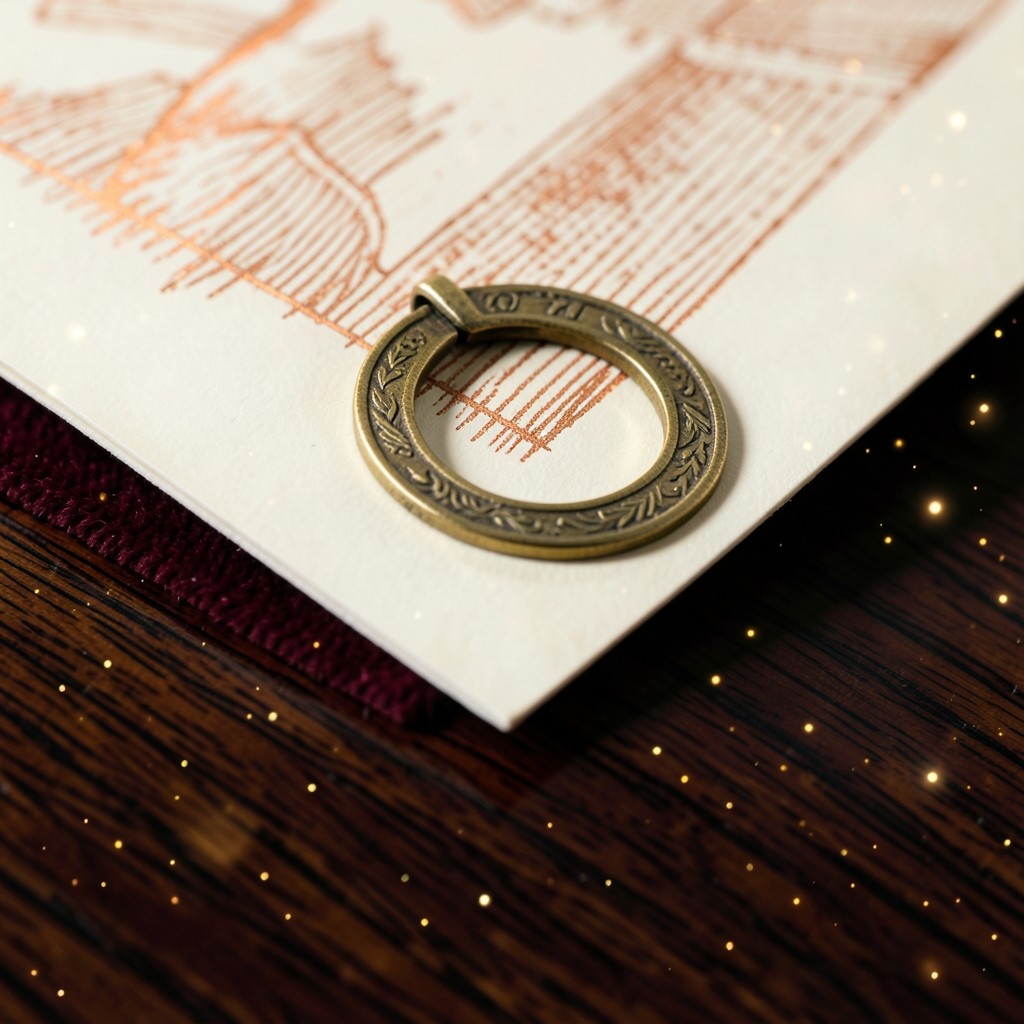
The sheet is A2, cream, with a deckled edge when the mill allows it. The mark is inked in antique copper. A comparison mark, when there are two, is burgundy. Brass clips hold the corner. A set of six or more leaves in a black folder. A PDF is made the same day, at the size of the sheet, so a team in Chiang Mai is not waiting on a courier to start the argument.
Every plate carries five things in words and marks: the question in one sentence, the date window, the count of people who could have seen the feature, the count who did the thing the question names, and one sentence on the limit. If any of the five is missing, the plate is not finished.
-
Mark 01
Trial curve
People who used the feature at least once, by week, against the people who could have seen it. The launch week is held in a separate stroke so it is not mistaken for the habit that follows.
-
Mark 02
Return plate
Of those who tried the feature, how many used it again in a later week. Return is defined in the client’s words before the ink, and the definition is copied onto the sheet.
-
Mark 03
Step plate
A path from a named start to a named end, with the step that thins called out. If two event names are one tap, both names appear. The join is not hidden.
-
Mark 04
Split plate
The same curve cut by a condition the client already uses — city, a saved list, a first order, the language of the build. We do not invent the split. If one side is too thin, the plate shows counts and says so.
The order of the work
The question is written first. The denominator is agreed second. The mark is chosen third. Mira inks an A3 draft for checking. Only then does the A2 sheet start. The limit sentence is added last, after the mark is visible, so it describes the sheet in front of us rather than the hope that ordered it.
A plate commission is the way to order these sheets when you already hold the numbers. A Feature Adoption Brief is the way to have the numbers found in your export and the reading written beside them. The workshop morning is the way to mark a draft together before either of those is booked.